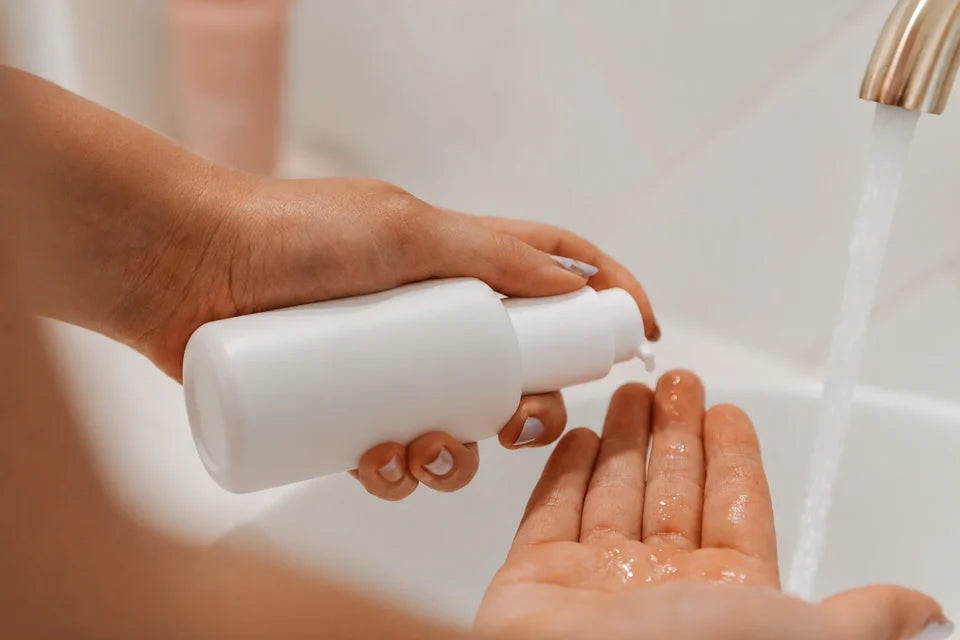
Why Your Face Feels Tight After Washing?
That tight, squeaky feeling after cleansing isn’t proof your skin is clean. Five things behind it, a 60-second test you can run tonight, and how Mugtea is designed around them.
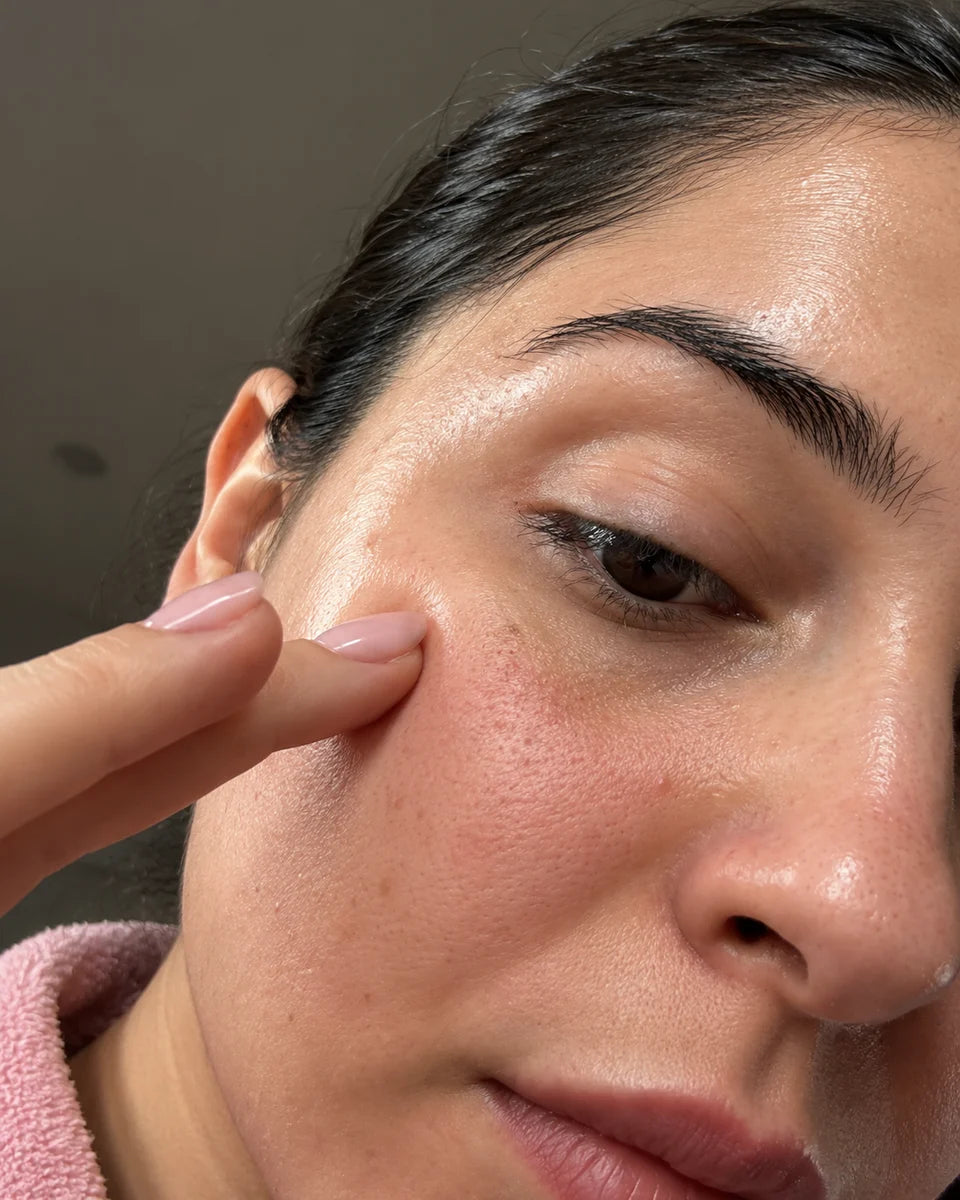
Tightness after washing usually points to the wash itself: a strong cleansing base, hot water, rubbing, a high-pH formula, or nothing left on skin afterwards. It isn’t a measure of how clean you are. Mugtea is formulated around all five, with a mild-leaning SCI base and conditioning ingredients.
Squeaky is a sound, not a result.
Yet most of us learned to treat it as one. The face pulls tight, we think clean, and we reach for a moisturizer to deal with the tightness the wash just created. Two products, one problem, and the first one caused it.
No. Tight tells you how the wash felt on your skin. It says nothing about how well it cleaned.
A cleanser can lift sunscreen and a day’s dust and leave skin comfortable. Another can do the same job and leave you feeling stretched. The feeling is separate from the cleaning, and that gap is where the money goes: moisturizers, barrier creams, a second product to calm what the first one stirred up.
It isn’t always the wash. Some people have dry skin and it would feel tight anyway. But if tightness shows up right after you wash, the wash is the first suspect.
Five things, and you control more of them than you’d think.
- How strong the cleansing base is. Cleansers get their foam and cleaning power from surfactants, and they aren’t all equally strong. Some foaming agents, sulfates for example, are known to be more irritating than milder ones. Others, like SCI (sodium cocoyl isethionate), are widely used in gentler formulas. Foam volume won’t tell you which you’re holding.
- Water temperature. Hot water feels good on a cold evening and is commonly advised against for faces, because it can dry and irritate skin. Lukewarm is the usual recommendation.
- Rubbing. Scrubbing, washcloths and rough towel-drying all add friction. Skin that’s been worked over feels it afterwards.
- pH. Healthy skin’s surface is mildly acidic. One often-cited review found its natural pH averages below 5. Traditional soap is alkaline, and a cleanser far from skin’s own range can leave it feeling off.
- What’s left behind. A good wash leaves some softness: humectants like glycerin, soothing ingredients like panthenol. A wash that leaves nothing gives you the tight feeling the moment the water stops.
Tonight, wash your face as usual, then pat dry and wait a full minute before you touch any other product.
If your skin feels comfortable, the wash is doing its job. If it feels tight, stretched or itchy inside that minute, the wash is suspect. Check the five things above before you blame your skin type.
It’s a rule of thumb, not a clinical test. But it separates “my skin is dry” from “my cleanser is rough on me”, and that’s worth knowing before you buy anything else.
We took the five causes and designed against each.
- Cleansing base: an SCI-led surfactant blend, chosen for a mild-leaning wash, with microfine kaolin for that clean feeling.
- Rubbing: it turns from paste to cream to foam, so the massage does the work and you never need to scrub.
- pH: Mugtea’s formulation pH target is 5.4–5.9, set with skin’s naturally acidic surface in mind. A pH target alone does not establish mildness or stability.
- What’s left behind: conditioning ingredients, including glycerin and panthenol, for a soft after-feel.
- Water: we can’t control that part. Lukewarm is on you.
Mugtea isn’t a moisturizer and doesn’t replace one. It’s built so the wash itself stops being the thing you need to recover from.
Picture someone who moisturizes three times a day because her face feels tight by noon. She runs the 60-second test, finds the tightness starts at the sink, and swaps only the cleanser, with lukewarm water and a pat-dry towel. Nothing else changes for a week.
The question isn’t whether her skin becomes perfect. It’s whether she needs the third moisturizer. Skin varies, and the answer will too.
Patch test a small amount on your jawline or behind your ear first. Then use only the daily wash for a week and run the 60-second test each night. If your skin objects, stop. If your skin is reactive or you’re on prescription treatment, check with your dermatologist before starting.
Mugtea keeps you clean, calm, balanced.
One question for you: what does your face feel like a minute after you wash it? Tell us. We’re building around real answers.
Opens your email app · hello.velnaura@gmail.com
Questions people ask
Does tight skin mean I have dry skin?
Not necessarily. Tightness right after washing often comes from the wash itself. Naturally dry skin feels tight at other times too, not only after cleansing. The 60-second test helps tell them apart.
Should oily skin feel tight to be clean?
No. Oily and combination skin still need a wash that leaves them comfortable. A tight, squeaky finish isn’t a measure of how well the wash cleaned.
Can hot water cause tightness?
It can contribute. Hot water is commonly advised against on the face because it can dry and irritate skin. Lukewarm water is the usual recommendation.
Will Mugtea leave my skin feeling tight?
It’s designed not to. It uses a mild-leaning SCI-led base with conditioning ingredients like glycerin and panthenol. Skin varies, so patch test first and run the 60-second test.
Do I still need a moisturizer after Mugtea?
That depends on your skin. Mugtea is a cleanser, not a moisturizer. If your skin is comfortable after the 60-second wait, you can decide for yourself whether you need one.
Is Mugtea suitable for sensitive or acne-prone skin?
It’s designed to be skin-friendly, but we can’t promise how any one person’s skin will respond. Patch test first and start with the daily wash only. Mugtea is a cleanser, not a treatment for skin conditions.